Checking Out the Versatile Utilizes of Sugar Cane Beyond Sweeteners
Sugar Cane is commonly associated entirely with sweeteners, yet its applications prolong much past. This flexible plant plays an essential duty in numerous sectors, consisting of biofuels and bioplastics. Furthermore, its fibers contribute to sustainable building and textiles. The economic effects of sugar Cane manufacturing further underscore its importance. As innovations remain to emerge, the possibility of sugar Cane to drive financial and environmental improvements ends up being significantly obvious. What other surprises does this resilient plant hold?
The Role of Sugar Cane in Biofuels
As nations seek sustainable power resources, sugar Cane has become a vital gamer in the biofuels market. This tropical plant is rich in sucrose, which can be fermented to create ethanol, a sustainable fuel option to nonrenewable fuel sources. The farming of sugar Cane for biofuel production not only reduces greenhouse gas exhausts however also adds to energy safety, particularly in sugar-producing countries.
Moreover, sugar cane-derived ethanol can be blended with fuel, improving its octane rating and reducing dependence on non-renewable resources. The results of sugar Cane processing, such as bagasse, are beneficial for creating electrical energy, making the entire production cycle energy-efficient.
Study remains to discover innovative techniques for making best use of power return from sugar cane, solidifying its function in the change to cleaner energy solutions. As global need for lasting fuels rises, sugar Cane sticks out as an integral element of the biofuel sector.
Sugar Cane as a Source of Bioplastics
The ecological effects of plastic contamination are significantly concerning, sugar Cane provides an appealing option as a resource of bioplastics. Stemmed from eco-friendly resources, bioplastics made from sugar Cane can significantly lower dependence on petroleum-based plastics. These bioplastics are produced through the fermentation of sugars drawn out from the walking stick, resulting in materials that can be naturally degradable or compostable, depending upon their solution.
The use of sugar Cane bioplastics not just lessens carbon emissions but likewise advertises lasting farming techniques. By making use of farming waste and results, the overall environmental footprint of manufacturing is decreased. Additionally, items made from sugar Cane bioplastics can seamlessly integrate right into existing waste monitoring systems, addressing concerns about waste accumulation.
As industries look for lasting options, sugar cane-based bioplastics stand for a feasible alternative that aligns with worldwide efforts to deal with plastic pollution and foster a circular economic situation.
Medicinal Applications of Sugar Cane
Sugar Cane is acknowledged for its antioxidant properties, which contribute to different health advantages. Furthermore, it has actually been used in traditional solutions across societies, highlighting its relevance in alternative medicine. These attributes highlight the capacity of sugar Cane in the field of medical applications.
Antioxidant Characteristics of Walking Stick
Many researches have revealed that sugar Cane has substantial antioxidant homes, making it a valuable part in medical applications. The phenolic compounds found in sugar walking stick, such as flavonoids and phenolic acids, add to its capacity to reduce the effects of complimentary radicals, thus reducing oxidative stress and anxiety in the body. This antioxidant activity is connected to various health and wellness advantages, consisting of improved cardiovascular health and wellness and boosted immune feature. Additionally, sugar Cane essences have been revealed to show anti-inflammatory results, which can further support general wellness. By combating oxidative damages, sugar Cane might contribute in the avoidance of chronic diseases, making it an interesting topic of research for its potential therapeutic uses in modern medicine.
Conventional Remedies and Uses
While contemporary medicine commonly depends on synthetic substances, traditional treatments making use of sugar Cane emphasize its historical relevance in numerous societies. In lots of exotic areas, sugar Cane juice has actually been made use of as an all-natural solution for disorders such as dehydration and gastrointestinal concerns. Its high water web content and important nutrients make it a preferred therapy for urinary system system infections and kidney stones. Furthermore, sugar Cane is thought to have anti-inflammatory properties, helping in the alleviation of aching throats and respiratory conditions. Folk medicine usually incorporates sugar Cane in mixtures to enhance energy and enhance general wellness. These age-old techniques emphasize the adaptability of sugar walking cane, expanding its value past sweetness to encompass wellness and wellness applications.
Eco-Friendly Building And Construction Materials From Sugar Cane
Sugar walking cane, typically recognized for its sweet return, is acquiring focus as a resource of green building and construction products. These products supply sustainable building solutions, including eco-friendly compounds that lower ecological impact. Furthermore, sugar cane-derived products offer reliable insulation residential or commercial properties, improving energy efficiency in structures.
Lasting Building Solutions
As the worldwide need for sustainable building and construction materials rises, ingenious solutions derived from sugar Cane have actually become a practical choice. This sustainable resource offers numerous applications in eco-friendly building solutions, particularly via its by-products. Sugar Cane fibers, known for their strength and durability, can be utilized in developing insulation materials and composite panels. Additionally, the juice and molasses from sugar Cane can be processed into bio-based adhesives, minimizing dependence on petroleum-based items. Making use of sugar Cane not just minimizes waste however additionally adds to decrease carbon emissions during manufacturing. Including these products into building and construction methods sustains the round economy, promoting sustainability while resolving the pushing ecological challenges encountered by the construction market.
Eco-friendly Composite Materials
Naturally degradable composite products have amassed interest as lasting options in construction, especially those stemmed from sugar cane. These materials use the fibrous results of sugar walking stick, such as bagasse, to create compounds that are both lightweight and solid. By including these natural fibers, producers can generate products that decrease dependence on traditional plastics and non-renewable resources. The lasting nature of sugar Cane composites not only reduces environmental impact but likewise supports agricultural economic climates by supplying extra earnings streams for farmers. Furthermore, the biodegradability of these compounds assurances that they do not contribute to lasting waste in garbage dumps. As the building and construction market looks for greener services, sugar cane-derived compounds present an encouraging path towards extra environment-friendly building techniques.

Insulation Residences and Conveniences
The insulation residential properties of eco-friendly building products stemmed from sugar Cane this offer considerable benefits in power effectiveness and environment control. Sugar Cane fibers possess natural insulating high qualities that assist manage interior temperature levels, decreasing the requirement for extreme home heating or air conditioning. This particular adds to reduce power intake, promoting sustainability in structure practices. Furthermore, making use of sugar cane-based insulation materials is useful for interior air top quality, as they are much less most likely to emit volatile organic compounds (VOCs) compared to standard insulation items. These products are eco-friendly, lining up with eco-conscious building and construction objectives. As the construction industry seeks greener alternatives, sugar cane-derived insulation sticks out as an encouraging remedy that combines performance with environmental duty, supporting both energy savings and ecological preservation.
Sugar Cane in the Textile Market
Although often overlooked, sugar Cane plays a substantial duty in the fabric industry, primarily via the manufacturing of sustainable fibers. These fibers, stemmed from the plant's results, are progressively recognized for their eco-friendly residential properties. Sugar Cane fibers, such as bagasse and sisal, are eco-friendly and long lasting, making them appealing alternatives to traditional synthetic fibers.
Their use in textiles promotes sustainability by lowering dependence on petroleum-based materials while also providing an opportunity for waste reduction from sugar manufacturing. In addition, innovations in fabric processing have actually enabled makers to blend sugar Cane fibers with other products, boosting the general top quality and versatility of materials.
This change towards integrating sugar Cane in fabrics mirrors a broader pattern in the sector, aiming for eco responsible methods. As need for lasting products continues to rise, sugar walking stick's duty in textiles may broaden, offering both environmental and financial advantages.
Nutritional Perks and Pet Feed
In addition, sugar Cane has essential minerals and vitamins that enhance the nutritional profile of pet feed, boosting resistance and overall well-being. Its pleasant preference and palatability make it an enticing feed choice, urging feed consumption among pets. By integrating sugar Cane into their diet regimens, livestock manufacturers can decrease dependence on conventional feed resources, potentially reducing feed costs while preserving pet health and wellness and efficiency. Sugar Cane emerges as a lasting and nutritious choice in the field of animal farming.
Area The Economic Impact of Sugar Cane Production
While several agricultural products add to local economic climates, sugar Cane production attracts attention because of its significant economic effect throughout various regions. This functional plant not only offers work possibilities in farming, circulation, and handling but also supports supplementary markets such as transport and production. In nations like Brazil and India, sugar Cane is a critical driver of rural development, fostering economic stability and improving source of incomes.
The by-products of sugar cane, including ethanol and molasses, even more branch out earnings streams, producing additional markets and reducing reliance on conventional sweeteners - What Is Sugar Cane Used For. As global need for eco-friendly energy rises, the role of sugar Cane in biofuel manufacturing is ending up being progressively prominent, bring in financial investments and increasing regional economies. Overall, the financial ramifications of sugar Cane production are extensive, influencing both neighborhood work markets and wider economic trends in areas reliant on this essential crop
Frequently Asked Inquiries
Exactly How Is Sugar Cane Processed Into Biofuels?
The handling of sugar Cane right into biofuels involves removing juice, fermenting it into ethanol, and refining the item. This method harnesses the plant's all-natural sugars, transforming them into eco-friendly energy resources for various applications.
What Are the Ecological Benefits of Making Use Of Sugar Cane?
The ecological advantages of utilizing sugar Cane include lowered greenhouse gas discharges, improved soil wellness through lasting farming techniques, and lower dependence on nonrenewable fuel sources, which collectively add to a more sustainable and environmentally friendly farming system.
Can Sugar Cane Be Expanded in Any Type Of Environment?

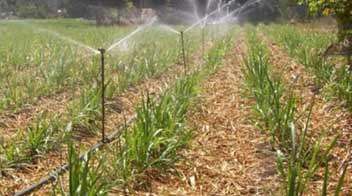
Sugar Cane thrives in subtropical and tropical climates, requiring warm temperatures, ample sunlight, and sufficient rainfall. Its development is restricted in cooler areas, making it improper for arctic or warm climates where frost occurs.
What Are the Historic Usages of Sugar Walking Cane?
Historically, sugar Cane offered different functions beyond sweetening - What Is Sugar Cane Used For. It was used for producing rum, as a resource of biofuel, in typical medication, and for crafting products like paper and molasses, showcasing its diverse applications throughout different societies
Just How Does Sugar Cane Effect Resident Economies?
The impact of sugar Cane on local economic climates is significant, providing work, enhancing farming markets, and promoting trade. Its cultivation sustains country incomes and boosts neighborhood markets, adding to overall financial development and area advancement.
The economic effects of sugar Cane production further emphasize its value. Derived from eco-friendly resources, bioplastics made from sugar Cane can significantly lower dependence on petroleum-based plastics. Biodegradable composite products have amassed interest as sustainable choices in building, specifically those obtained from sugar cane. These products utilize the coarse byproducts of sugar walking stick, such as bagasse, to create compounds that are both light-weight and strong. While several agricultural commodities add to local click here to read economic situations, sugar Cane manufacturing stands out due to its substantial economic influence across numerous regions.
Comments on “What Is Sugar Cane Used For to Promote Soil and Environmental Health?”